
Did you know businesses lose up to 50% of local leads due to slow or missed responses? In the battle for booked jobs, local service businesses—from home remodelers and painters to cleaning companies—are bleeding revenue through the cracks in their customer response systems. Today’s market doesn’t forgive slow follow-up or fragmented tools. The old way of juggling calls, voicemails, and scattered scripts just can’t keep up with modern prospect expectations. AI Voice Response Systems have quietly emerged as the strategic fix, reshaping customer experience, driving conversion, and plugging the infamous “leaky bucket. ” If you’re tired of losing work to faster competitors, read on: here’s how practical AI can rebuild your entire approach to responsiveness, reliability, and growth.
Startling Stats: Why AI Voice Response Systems Matter for Local Service Businesses
“Businesses lose up to 50% of local leads due to slow or missed responses. AI voice response systems are changing the game for small service providers.”
Local service businesses operate in a relentless, competitive environment. Home remodelers in places like St. Louis or Albuquerque, for example, aren’t just up against big national brands—they’re competing against every responsive local competitor too. Here’s the kicker: if you don’t answer first, you rarely get the job. Studies show that over 70% of homeowners will book the first responsive contractor. Traditional IVR systems and scattered tech stacks can miss or delay prospects, resulting in the dreaded “leaky bucket”—a pipeline of leads dripping away before your team ever gets a shot. The speed-to-lead gap isn’t a minor issue—it’s the biggest cause of missed revenue for service operators.
Enter AI Voice Response Systems, which can slash call response times from hours to seconds, dramatically boost conversion rates, and provide round-the-clock coverage—no vacation, no sick days, no dropped balls. The message is clear: in an age where expectations are set by Amazon and Uber, responsiveness powered by AI is no longer a “nice to have. ” It’s a necessity if you want every lead to count and every job to stay on your books. In this article, we’ll show you how to recognize the real leaks in your system and build a strategy that plugs them for good.
What You’ll Learn About AI Voice Response Systems and Customer Experience
- How AI voice response systems identify and plug your ‘leaky bucket’ problems
- The sequence for deploying voice AI, conversational AI, and voice agents to maximize responsiveness
- The difference between traditional IVR and modern AI voice agents
- Actionable steps for local service businesses
- Practical frameworks and definitions you can use
AI Voice Response Systems: The Real Issue—Broken Speed-to-Lead and Leaky Buckets
Diagnosing the Problem: Why Response Speed and Systems Matter
For many local business owners, the true threat isn’t bad ads or Google’s next algorithm—it’s a system that can’t answer fast enough. Every slow call back, every lost voicemail, and every tech tool that doesn’t “talk” to the others creates a silent revenue leak. Home remodelers and cleaning companies, for example, often juggle three or more platforms (calendar, forms, old IVR menus) yet still miss the mark with prospects who expect instant answers. This isn’t just about tools; it’s about sequence and strategy. “Strategy First, Systems Always” is the principle you must live by if you want to compete. Buyers today expect not just a live agent, but instant, clear next steps—the moment they hit your phone number. If you rely on a patchwork IVR system or scattered call flows, you’ll fall short when it counts most: converting interest into booked jobs.
Traditional IVR systems—a. k. a. those old-school “press 1 for sales” menus—were designed for volume, not velocity. They create friction and frustration, especially when every second in speed-to-lead counts. Just ask any painting company tired of “phone tag”—prospects don’t leave voicemails, they call your competitor instead. It’s not enough to be reachable; you need an AI-driven process that instantly organizes, triages, and follows up. When your process is broken, you don’t just lose immediate revenue—you train your pipeline to expect slowness, which compounds losses over time.

- ‘Strategy First, Systems Always’—the pitfalls of scattered tools: Scattered tools mean that no one takes ownership, call routing gets sloppy, and team accountability vanishes.
- Where traditional IVRs fall short: Limited options, complex menus, and no natural language support frustrate callers and discourage conversion.
- Real-world example: A home cleaning business deploying an AI voice agent cut lead response times from 2 hours to under 2 minutes and saw booked appointments double within one quarter. The difference was a seamless, conversational AI workflow instead of a rigid, outdated IVR system.
Customer Experience and Conversion: The Revenue Impact of Voice AI
Customer experience is more than a buzzword—it’s the backbone of local business conversion. Let’s break it down: responsiveness, clarity, and trust are what today’s prospects demand when they interact by phone. An AI voice response system delivers all three at every stage. Unlike a live agent prone to distractions or missed shifts, a voice AI agent offers immediate, 24/7 responsiveness—no weekends, no after-hours gaps. When home remodelers and cleaning companies went from manual callbacks to AI-driven responses, typical conversion rates jumped from 10–15% to 25–40%. Why? Because faster, clearer, and more consistent answers lead to faster bookings. Clarity builds trust—and trust converts leads into jobs.
It doesn’t end with responsiveness. Systems equipped with voice AI allow you to track every interaction, analyze customer satisfaction, and optimize the journey using data, not gut feel. Instead of relying on vanity metrics or sales “gut checks,” you’ll have hard numbers showing progress (like time-to-call-back, qualification rates, and completed bookings). The change is visible—fewer missed opportunities, higher satisfaction scores, and more predictable growth. Here’s a simple table illustrating how benchmarks shift before and after practical AI adoption:
| Metric | Before AI Voice Response | After AI Voice Response |
|---|---|---|
| Average Response Time | 2–4 hours | 30 seconds – 2 minutes |
| Response Rate | 55% | 90%+ |
| Booking Conversion | 10–15% | 25–40% |
| Customer Satisfaction | 6/10 | 9/10 |
The Evolution from IVR System to Practical AI Voice Agents
Traditional IVR Systems vs. AI Voice Response Systems: What’s the Difference?
- Quick definitions: An IVR system (Interactive Voice Response) is a phone menu that lets callers use their keypad or voice to reach various options. Traditional IVRs rely on static, pre-set options and struggle with complex or changing caller needs. AI voice agents use natural language to understand context, adapt in real time, and offer a genuinely conversational customer experience.
- Why do AI voice agents outperform IVR systems in local service? It’s simple: traditional IVR menus frustrate people who want fast, human-like answers. Voice AI agents act more like a capable front desk staffer—handling FAQs, booking, and qualifying leads, 24/7.

Conversational AI and Voice AI: Beyond Call Routing and Automated Menus
- Traditional IVR systems use narrow scripts—“press 1 for sales”—which limit and slow down real customer interactions. Conversely, conversational AI understands caller intent and delivers context-aware responses, not just pre-programmed choices. A voice AI agent triages the call instantly, providing the right information or escalating to a live agent for exceptions.
- Voice AI agent capabilities extend well beyond call routing: they understand natural language (everyday speech), provide immediate triage for urgent requests, and offer round-the-clock support. For service businesses, this means fewer missed opportunities and a dramatic reduction in paperwork and back-and-forth scheduling.
How AI Voice Response Systems Work—A Simple Sequence for Local Service Businesses
Step 1: Diagnose—Identify the Leaks in Your Process
- Assess your current phone number and contact center handling: Who triages inbound calls? Are calls tracked from first ring to booked job, or do leads fall through the cracks between your answering service and sales team? Are after-hours or overflow calls missed entirely?
- What slow follow-up looks like for remodelers and painters: If a new inquiry comes in during a job, does it go to voicemail? Do callbacks pile up, especially on busy days? Is every team member following the same script, or does each call create a new process?
Step 2: Design the AI Voice Agent System for Your Needs

- Choosing the right AI voice agent and IVR systems: Select a platform designed for local business—one that seamlessly connects your existing phone system, supports call routing, and integrates with your CRM or booking tools.
- Customizing for home services: Tailor your voice AI agent to handle common scenarios like booking appointments, answering FAQs, and pre-qualifying leads so only the right jobs reach you or your crew.
Step 3: Deploy and Test—Respond Faster and Track Results
- Measure improved customer satisfaction and response times. A sprint-style deployment—launching in phases, quickly testing, and iterating—lets you see progress week by week instead of waiting months.
- Track key outcomes: how many calls are answered instantly? How fast do leads move from first inquiry to booked job? Use analytics dashboards to monitor and optimize continuously.
| Step | Key Task | What to Measure |
|---|---|---|
| Diagnose | Map your current response workflow | Missed calls, response time, call routing success |
| Design | Customize conversational/voice AI scripts | Coverage for FAQs, booking triage, system integration |
| Deploy | Roll out in sprints, monitor analytics | Response time, conversion to booked work, customer feedback |
AI Voice Response Systems in Action: Real-World Scenarios for Small Service Businesses
Case Example: Speed-to-Lead Wins in Competitive Markets (e.g., St. Louis, Albuquerque)
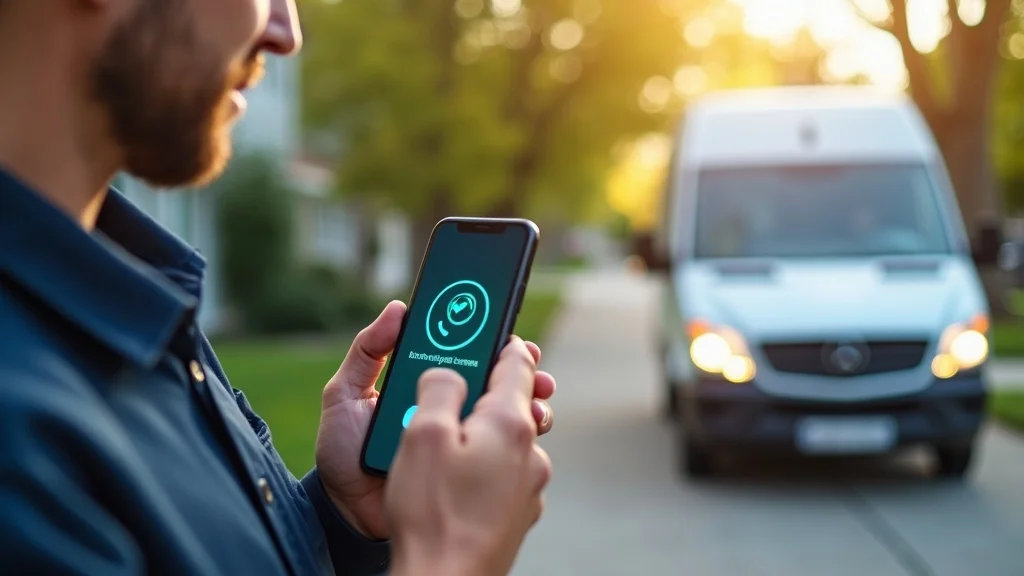
- Before & after: AI voice agents vs. human-only response: In St. Louis, a painting contractor struggled with missed inquiries during peak season. After deploying a voice AI agent, response times dropped from hours to under a minute. The result? Booked jobs increased by 40%, and customer complaints about “slow follow-up” vanished.
- Impact on inbound leads, booked jobs, and customer satisfaction: The AI-enabled business not only captured more leads but converted more calls to revenue, all while reducing stress on office staff. In a competitive market, this edge transformed month-over-month growth.
Operational Reliability: What Good Looks Like With AI Voice Agents
- Clear next steps for callers: AI voice agents direct prospects to booking, routing, or urgent triage without confusion, ensuring no call falls through the cracks.
- How the system reinforces your brand: Immediate, knowledgeable answers show the public—and search engines—that your business is both responsive and reliable. Consistency builds trust and wins repeat referrals.
“Responsiveness wins. Every minute counts when a prospect calls your business—AI voice response systems cut hours down to seconds.”
Top Features to Prioritize in AI Voice Response Systems

- Natural conversation: Look for natural language capabilities that answer questions without sounding robotic or creating extra steps.
- Easy integration: Ensure the platform connects directly with your marketing stack, phone systems, and CRM—avoiding more tech headaches.
- Supports omnichannel growth: Modern systems let you triage not just phone calls, but also SMS and chat, all from a unified platform.
- Trackable analytics: A strong dashboard provides measurable outcomes—response rates, customer satisfaction, and conversion rates—so you optimize what counts.
| Feature | Traditional IVR | AI Voice Response Systems |
|---|---|---|
| Menu Style | Touch-tone, static options | Conversational, natural language |
| 24/7 Availability | Limited, manual handling after hours | Full, consistent coverage |
| Call Routing | Scripted, one-size-fits-all | Dynamic, context-aware triage |
| Integration | Low; often stand-alone | High; connects with CRM, SMS, chat |
| Customer Experience | Impersonal, slow | Responsive, intelligent |
| Analytics/Tracking | Manual, limited | Automated, real-time |
A high-quality explainer video would show a typical call to a local business: A prospect dials in, the AI voice agent answers with a friendly, natural greeting, gathers information, books an appointment, and provides next steps in under a minute—no waiting for a call back, no dropped leads, and seamless handoff for exceptions. In real deployments, this is what world-class service looks like.
Lists: Key Steps to Implement an AI Voice Response System in Your Business
- Map your current response workflow and diagnose slow spots
- Define customer experience goals: speed, clarity, conversion
- Choose an AI voice response system or conversational AI platform
- Customize AI scripts for your most common scenarios
- Deploy in a sprint—track and refine response performance
Key Factors for Success: Linking AI Voice Response Systems to Revenue and Growth

- Speed-to-lead benchmark: Every minute you wait costs you jobs. AI voice response systems win by answering instantly, not hours later.
- Convert responsive callers to booked jobs: The more reliably you answer, the more jobs you book. Track progress using numbers that actually matter.
- Measure and iterate: Don’t “set and forget”; use sprints to continually improve, tighten your process, and lock in results quarter after quarter.
People Also Ask: What is the best voice AI platform?
Evaluating Voice AI and Conversational AI Platforms for Local Service Businesses
The best voice AI platform for a local service business is one that fits your size and workflow—not a one-size-fits-all solution pushed by “tool vendors. ” Prioritize platforms that offer natural voice agents, integrate easily with your current phone number, and support practical features like booking, triage, and analytics. Whether you’re choosing between major tech providers or industry-specific solutions, focus on tools that make life easier for both your team and your callers. Reliable options excel at customer service, call routing, and measurable improvement.
People Also Ask: How to tell if someone is using an AI voice?
Is It AI? – Telltale Signs and Seamless Experiences
Today’s AI voice agents are increasingly natural sounding, making it tough to tell the difference. Some clues (though fading): slightly slower response, minimal emotional inflection, or perfectly consistent answers. But modern AI voice response systems focus on providing a smooth, genuinely human-like customer experience. For most callers—and almost all practical business uses—the line between human and AI is now virtually invisible, especially when the script is designed around real customer intent, not canned menus.
People Also Ask: Who are the Big 4 AI agents?
The ‘Big 4’ and Why Local Service Businesses Should Think Smaller—and Smarter
When folks talk about the “Big 4,” they usually mean Amazon Alexa, Google Assistant, Apple Siri, and Microsoft Cortana. But in local home services, don’t chase mass-market platforms alone—focus on specialized AI agents and voice AI solutions tailored to business workflows, integrating with your IVR system and customer experience needs. The goal isn’t to wow callers with celebrity tech; it’s to deliver fast, clear answers and booked jobs in your niche.
People Also Ask: Which AI has the best voice recognition?
Voice Recognition: The Top Players and Practical Considerations
Top names in voice recognition include Google Speech-to-Text, Microsoft Azure, and Amazon Transcribe; select conversational AI vendors layer robust workflow integration and deployment ease. For your business, prioritize platforms with high accuracy, native phone system integration, and straightforward management—don’t get lost in feature overload. The best choice is the one that delivers results for your workflow the fastest.
FAQs: AI Voice Response Systems and Customer Service for Local Business Owners
- How do AI voice response systems integrate with my existing phone and marketing stack?
Most leading AI voice agents integrate directly via your business phone number (using cloud-based IVR systems) and link with your CRM, scheduling, and marketing automation. Ask about pre-built integrations for the software you already use. - What does it cost to implement a voice AI agent or conversational AI for a service business?
Costs can range from $100–$500/month for small business platforms to custom solutions. Value comes from recovered jobs and saved staff hours—track ROI using improved conversion, not just upfront spend. - Can AI voice agents handle multi-lingual or after-hours calls?
Yes, top conversational AI and voice AI agent tools offer multi-lingual support and full 24/7 coverage—great for capturing leads in diverse markets or during weekends and evenings. - What outcomes should I measure to ensure the system is working?
Prioritize metrics like response time, conversion to appointments or jobs, and customer satisfaction scores. Run regular sprints to test, tweak, and always tie results back to real business outcomes.
Quotes: Leaders on the Fragmented Tech Stack and AI Solutions
“We chased every new tool. Once we mapped our sequence and added an AI voice agent, our booked jobs doubled—and frustration dropped.”
Key Takeaways: Plug the Leaks, Respond Faster, Grow Consistently

- Diagnose your current customer response workflow—don’t assume it’s working
- Pilot an AI voice response system to plug speed and follow-up leaks
- Link every change to response times and booked jobs—not vanity metrics
- Use sprints to refine, not ‘set and forget’
A quick video tutorial would cover: mapping response workflows, selecting conversational AI that fits your real scenarios, and monitoring analytics—all in the context of home services. Real-world demos and action steps help you get started today.
Conclusion: Building a Responsive, Resilient System With AI Voice Response Systems
- If slow answers and scattered tools are costing you jobs, now is the time to act.
- AI voice response systems give you a strategic, systems-first way to win on responsiveness and convert more calls to booked work.
- Fast, clear follow-up isn’t just good service—it’s your competitive edge in home remodeling, painting, and cleaning markets.
- Strategy first, systems always—don’t patch the bucket, upgrade it.