Startling Fact: Did you know it’s five times more expensive to acquire a new customer than to win back a dormant customer? For local service business owners, that means thousands—sometimes tens of thousands—left on the table every year. If your business is leaking customers, it’s not just lost revenue, it’s wasted marketing effort, missed booked jobs, and slow growth. But there’s a systematic approach to plug these profit holes and get customers back into your pipeline—faster than your competition.
“It’s five times more expensive to acquire a new customer than to win back a dormant customer.”

Why Customer Reactivation Campaigns Strategies Matter for Service Businesses
Every local service business—whether you’re running a painting company, a remodeling outfit, or a commercial cleaning crew—shares the same challenge: customers leave and don’t come back. Even the best companies spring leaks in their pipeline—dormant customers who quietly slip away. If you’re spending all your time (and budget) chasing new leads but not addressing lost opportunities, you’re fighting with one hand tied behind your back.
Customer Reactivation Campaigns Strategies are about more than just sending another mail campaign. They help you systematically diagnose why customers leave, win back jobs from your existing database, and convert leads you’ve already paid for—all with higher ROI than cold acquisition. Why? Because you already have their contact details, purchase history, and (if you act quickly) the trust you’ve built from past work. For pragmatic business owners, especially in hyper-competitive markets like St. Louis or Albuquerque, reactivation isn’t a luxury—it’s a must-have for consistent, profitable growth.
What You’ll Learn: Mapping Customer Reactivation Campaigns Strategies for Profitable Growth
- The biggest ‘leaky bucket’ issues among dormant customers
- Step-by-step process for launching effective reactivation campaigns
- How to blend direct mail, AI, and local SEO for best results
- Ways to leverage purchase history and customer data for personalization
- Clear benchmarks for success in reactivation campaigns
- How to create a responsive, systems-first approach to win-back
Diagnosing the Leaky Bucket: How Dormant Customers and Inactive Customers Cost You Profitable Jobs
The first step in effective customer retention is knowing exactly where you’re losing ground. Most service businesses face a “leaky bucket” problem: as new jobs come in, inactive customers quietly drip out the side. If you wait too long to act, dormant customers can become lapsed customers, and then full-on churned customers—making it much harder and more expensive to win back. Regularly diagnosing leaks in your database is not just smart—it’s critical for building a resilient business that turns leads into recurring revenue.
Understanding whether a customer is dormant, inactive, or lapsed—and how long they’ve been gone—should drive your reactivation strategy. Different segments require different touches: a dormant customer who left three months ago might respond to a friendly email, while a churned customer from a year ago could need a direct mail piece with a compelling, personalized offer. Spotting and prioritizing these leaks makes your entire marketing engine more productive—and ensures you’re not overspending to replace customers you could simply win back.
Dormant Customer & Dormant Customers Defined
A dormant customer is someone who previously used your service but hasn’t made a purchase or responded to any outreach for a set period—usually 3–12 months, depending on your business cycle. Inactive customers might also be termed “lapsed customers” if they haven’t interacted in a longer window (often 12–24 months). Finally, a churned customer is someone you’ve either tried and failed to win back, or who’s stated they’ve switched providers.
Knowing where a customer sits in this lifecycle matters. Dormant customers represent your easiest “win back. ” They often simply need a personal nudge or reminder that your team’s ready to serve. Inactive or lapsed customers may need stronger incentives—think loyalty program points, exclusive direct mail offers, or a voice call from an owner. Segmenting these groups lets your reactivation campaigns target the right people with the right method at the right moment—significantly boosting conversion rates and making your overall tech stack more efficient.
Spotting Inactive Customer ‘Leaks’ in Your Pipeline
Identifying “leaks” means doing more than waiting until your calendar is empty. Proactive businesses track when a customer stops opening emails, ignores direct mail, or doesn’t answer calls. These behaviors flag them as “at risk”—prime candidates for a smart reactivation campaign.
Leaky pipelines may show up as: Falloff in repeat bookings each quarter Customers who respond to your competitors’ ads Old clients who never refer new business anymore Simple audits—like exporting a list of jobs by last service date—allow you to catch dormant customers quickly. The faster your response, the less likely they move from “easy win-back” to a costly churn.

Key Metrics: Churned Customer, Lapsed Customer, and Response Times
Here’s how you can break down which segments are leaking revenue, and the best opportunities for quick response:
| Common Customer Segments Lost to Dormancy | Leaky Bucket Risk | Response Opportunity |
|---|---|---|
| Dormant Customers | High | Direct mail and email reactivation |
| Lapsed Customers | Medium | Personalized offers |
| Churned Customers | High | Win-back campaigns |
Track metrics like last purchase date, average response time to outreach, and total number of dormant customers at all times. This will allow you to tailor reactivation campaigns based on customer risk profile, timely follow-up, and data-backed decisions that consistently plug those leaks.
Customer Reactivation Campaigns Strategies: Prioritize the Fixes That Boost Conversions
Reactive marketing won’t fix a leaky bucket—you need a strategy-first, systems-always approach. For local service businesses, the smartest fixes move you away from one-off “blasts” to reliable playbooks. The first step? Map and sequence your reactivation campaigns so you address the easiest wins first while building leveraged systems for long-term growth.
Not every dormant customer segment is worth the same effort. Prioritize based on recency, frequency, and value (known as RFM analysis)—winning back customers who recently lapsed or booked high-ticket jobs will deliver exponentially better ROI than generic mass outreach. Always diagnose with your customer data before you prescribe a solution, and lead with those fixes that unlock the fastest route to booked jobs and positive cash flow.
Sequencing Reactivation Campaigns: Why Order Matters
The sequence you choose for your reactivation campaigns will make or break your results. Start with the easiest-to-win segments: dormant customers from the last 6–12 months who have high service satisfaction and previously used your higher-margin services. Target them with quick, personalized outreach—like direct mail or a phone call coupled with a personalized email thanking them for their past business.
After this cohort responds, shift to lapsed customers with personal offers and social proof from recent wins. Save the most complex “win-back” efforts—like churned customers who left negative reviews or switched to a competitor—for last, as these demand more customized messaging and often direct phone-based re-engagement. This sequencing prevents wasted marketing effort and maximizes response rates, using clear data and prioritization.
Diagnose Before You Prescribe: Using Customer Data
It’s easy to jump to tactics, but winning back dormant customers always starts with a thorough diagnosis. Export your database and segment based on last purchase date, job value, purchase history, and service type. Look for trends: Do certain service lines have more lapsed customers? Are some months especially “leaky”? This diagnosis tells you where to focus first.
Personalization isn’t just about adding a name. Use customer data to spot likely “triggers” for a return: new products, seasonal trends, reminders at just the right interval, or loyalty program updates. Smart businesses use their existing CRM or even a simple spreadsheet to “triage” opportunities. The core principle: Don’t just send more emails—send the right message to the right person at the right time.

Win Back Inactive Customers with Targeted Offers
Dormant and lapsed customers respond best when you give them a genuine reason to take another step—not just another generic offer. Use incentives that are both valuable and relevant based on their purchase history. For a kitchen remodeler, it could be a free design consult for past clients who haven’t booked in 12+ months. For a painter, maybe a 10% “welcome back” on exterior jobs booked in the slow season.
Leverage these offers across multiple channels—direct mail, personalized email, even SMS or voice-based reminders—tailored for each customer segment. It’s not about discounting to everyone, but providing personalized offers that make inactive customers feel recognized and motivated to return, instead of just another entry in your pipeline.
“Strategy First, Systems Always—plug the leaky bucket before ramping up new acquisition.”
Playbook: Step-by-Step Customer Reactivation Campaigns Strategies That Work
- Audit your database for dormant customers and lapsed customers
- Segment customers by last purchase date, service type, and channel
- Define the reactivation offer—give value that matches their original need
- Choose the right channel: direct mail, email, or call
- Personalize using purchase history
- Automate reminders and follow-ups
- Measure win-back and reactivation rates
This systematic process ensures you don’t just reactivate a handful of customers—you build a repeatable system that compounds results over time. Each step, from database audit to post-campaign measurement, turns your old leads into new revenue with less cost and more reliability.
Direct Mail, Email, and Practical AI: Omnichannel Reactivation Campaigns
Winning back dormant customers isn’t a one-channel game. The most effective customer reactivation strategies use a blend of direct mail, email, voice, and AI-driven chat. Each method has strengths and weaknesses—your job is to use them together for compounding impact.
For example, direct mail cuts through the digital clutter and gets noticed, especially by older homeowners or commercial property managers. Email and SMS reach customers where they’re already engaged—and with automation, you’re able to follow up fast when a client “raises their hand. ” Many businesses now use practical AI—voice bots or website chat—to qualify leads in real time, ensuring the fastest speed-to-lead.
When Direct Mail Outperforms Email for Dormant Customers
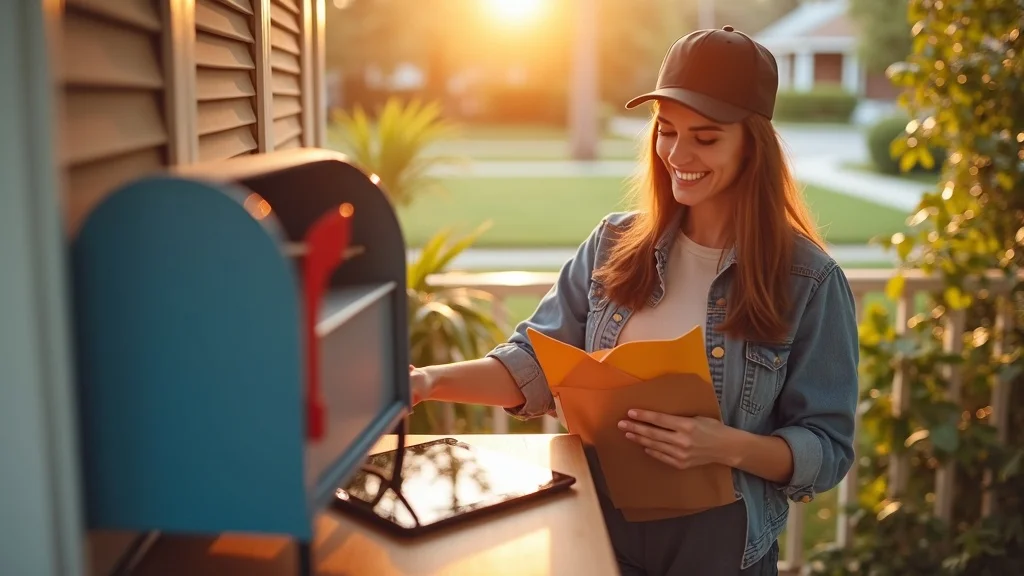
Don’t underestimate the power of a well-designed direct mail piece. For many dormant customers, one thoughtful envelope in the mailbox beats months of unseen emails. Why? Physical mail stands out, especially for jobs with high value or long cycles—think $10K painting contracts or major remodels. Compared to email’s lower open rates (and higher spam risk), direct mail has a much higher chance of landing in front of the decision-maker.
That said, the best campaigns blend both channels. Direct mail grabs attention; a follow-up personalized email keeps the conversation going. Use direct mail for re-engagement (“We miss working with you”) and pair it with a digital CTA such as a QR code or custom landing page. This combination lets you track response, personalize follow-up, and create a seamless experience for your returning customer.
Leveraging AI (Voice + Chat) for Responsive Customer Reactivation
AI isn’t hype when it’s practical: think “responsive chatbots,” SMS responders, or voice assistants that pre-qualify and book appointments automatically. In a competitive market like Las Vegas, being first to answer is the difference between a booked job and a lost lead. AI-powered tools ensure no customer inquiry is ignored, response times are measured in minutes (not days), and every dormant customer receives a human-like—and timely—reply.
You don’t need a high-end tech stack to get started. Many solutions integrate with your existing CRM or website. Practical AI works best when it handles first-touch conversations, confirms intent, and quickly alerts your team to high-value opportunities—all while collecting valuable customer data for further personalization in your ongoing reactivation campaigns.
Integrating Local SEO into Your Reactivation Campaign
Your active and dormant customers search online before reaching out—local SEO (search engine optimization for your service area) ensures you’re top-of-mind and easy to find. Even better, pairing direct mail with local SEO means your returning customers see your brand consistency online and offline, reinforcing trust and recall.
- Combine direct mail with QR code tracking to measure reactivation lift
- Follow up direct mail with a personalized email referencing their original job or feedback
- Use AI-driven chat to qualify and triage returning leads in real time
A truly omnichannel approach makes every marketing dollar—and every minute of your team’s time—work harder while preventing new (and old) leaks from forming in your pipeline.
Personalization: Using Purchase History and Customer Data to Make Customers Feel Seen
In the age of automation, making your dormant customers feel like more than just a number is your biggest loyalty differentiator. Personalization goes far beyond inserting a first name into a template: it’s about demonstrating that you remember why the customer hired you and what matters to them most.
Pull in details from their purchase history: reference the room you painted last spring, the workspace you deep-cleaned after holiday parties, or the kitchen remodel you helped design. A note as simple as “Would you like to take your project to the next phase this season?” immediately makes customers feel remembered and valued, nudging them from dormancy to re-engagement.
Mining Customer Data for Relevant Reactivation Offers
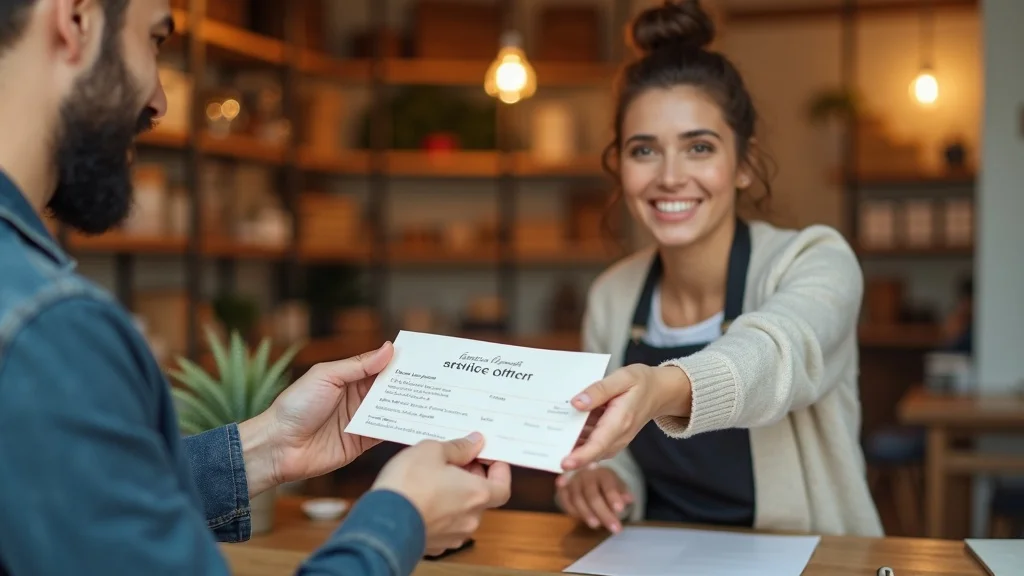
Your customer data is a goldmine for crafting irresistible reactivation offers. Look for trends in booking frequency, peak seasons, and average job size. For example, a lapsed customer who always booked exterior painting in spring is likely to respond to a targeted “Spring Refresh” mail campaign. If a dormant customer left after a major remodel, an offer for annual maintenance could bring them back.
Don’t be afraid to ask why they left. Automated surveys or a simple personalized email can reveal friction points—helping you fine-tune your reactivation strategy with every campaign. The best campaigns turn data into insight, making every outreach more efficient and every customer feel truly seen.
Tactics to Make Dormant Customers Feel Valued (Not Just a Number)
Small touches make a big difference. Handwritten notes, referencing their previous feedback, or inviting them to a loyalty program for longtime clients show you value the relationship—not just the sale. Even a well-timed phone call from the owner (“I noticed you haven’t booked this year—is there anything we can do to help?”) can make customers feel appreciated and more likely to return.
Here are additional tactics: Personalized email renewal reminders based on last purchase date Exclusive offers only for returning (not new) customers Inviting feedback or suggestions—showing you care about their experience, not just winning back business When customers feel like more than an entry in a CRM, they return more often, refer more reliably, and drive higher overall revenue from your existing base.
“Responsiveness wins—show dormant customers you remember and value their past business.”
Benchmarks: What Good Looks Like for Customer Reactivation Campaigns Strategies
How do you know your reactivation campaigns are working? Simple: set meaningful benchmarks, measure consistently, and compare against industry medians. While results may vary by market and service line, here’s what you can expect from the best-run systems.
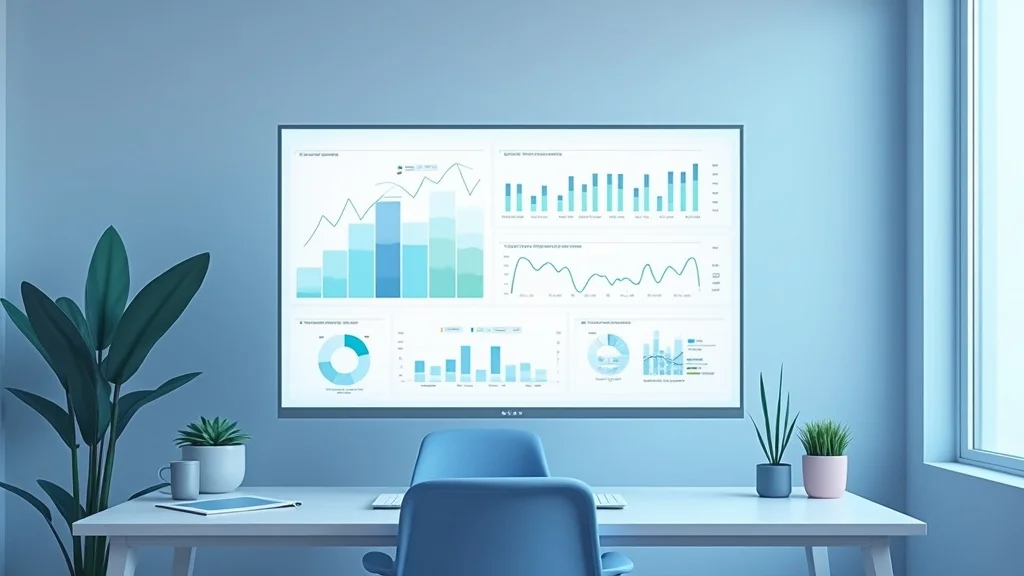
Strong campaigns generate double-digit win back rates (especially using AI and direct mail together) and see engagement within the first week for digital channels and 10–14 days for direct mail. Response speed is crucial: speed-to-lead is a major driver of conversion. The faster you reply when a dormant customer “raises their hand,” the more likely you’ll win back the job.
Expected Win Back Rates for Different Channels
| Channel | Typical Reactivation Rate | Median Response Time |
|---|---|---|
| Direct Mail | 8–12% | 5–10 days |
| 5–8% | 24–72 hours | |
| AI Chat/SMS | 10–18% | Under 1 hour |
Measure these rates alongside average response time—how quickly you or your system follow up with a reactivating lead. Persistently improving these numbers compounds your monthly results and provides a true competitive edge in markets where responsiveness wins jobs.
Response Timelines: Speed-to-Lead as a Major Conversion Driver
Speed-to-lead refers to how quickly you respond to an inbound inquiry—a factor proven to double (or even triple) your win-back rates. In reactivation campaigns, a delay of even a few hours can mean a lost job to a more responsive competitor. That’s why AI chat and SMS are gaining traction: they provide instant acknowledgment and route leads to your team for real, human follow-up within minutes.
For best-in-class results, aim to respond to every reactivated customer in under 2 hours (ideally, under 1 hour for digital channels). Businesses that consistently meet these benchmarks secure more booked jobs and transform their leaky bucket into a compounding asset year-round.
Case Study: Local Painters and Remodelers Succeed with Reactivation Campaigns
Let’s look at service businesses just like yours who implemented customer reactivation campaigns strategies and saw tangible, trackable results. By focusing on responsiveness, systems, and smart offers, these businesses didn’t just fill their pipeline—they multiplied revenue while lowering acquisition costs.
From painters in St. Louis to remodelers in Silicon Valley, the proven frameworks below drove consistent bookings and built repeatable win-back engines, even in competitive markets.
How a St. Louis Painter Used Direct Mail Reactivation to Book $25K in Jobs
One St. Louis painting company noticed a recurring slowdown each winter. Instead of cold-calling or buying more ads, they audited their database for dormant customers—anyone who had booked a job over a year ago but hadn’t replied to regular email mail campaigns. The team segmented their list by service type and value, then mailed a hand-signed postcard offering free color consultations.
The result? Over $25,000 in booked jobs within a month, with 60% of reactivated customers returning for larger projects the following season. The key was pairing personalized direct mail outreach with quick follow-ups via email and direct owner calls. This sequence reinforced the company’s reliability and made dormant customers feel uniquely valued—no generic blasts, no risks of being lost in the inbox crowd.

Commercial Cleaner Cuts Reactivation Costs with AI Chat
A Las Vegas commercial cleaning company saw skyrocketing ad costs and flatlining repeat bookings. Their solution: launch an AI chat campaign targeting lapsed and dormant customers using text and website bots. Each dormant customer received a friendly, personalized message (“Did you need any post-holiday cleanups scheduled?”) via SMS and website pop-up.
Response rates soared: booked jobs grew within weeks, and the company found that old customers were 40% more likely to reply to instant chat than to email. AI tools allowed quick sorting of high-value leads and automatic reminders for the sales team. The result was a fuller calendar and a lower reactivation cost per job—without overburdening busy staff.
“Month after month, we saw old customers coming back—and faster responses drove bigger jobs.”
Common Pitfalls in Customer Reactivation Campaigns Strategies (and How to Avoid Them)
- Ignoring the ‘why’ behind dormancy—without diagnosing causes, you risk repeating mistakes
- Treating all inactive customers the same—different segments require distinct offers and channels
- Sending generic, non-personalized offers—these damage brand value and miss the emotional drivers that prompt customers to return
- Failing to respond quickly once a dormant customer raises a hand—speed-to-lead still matters most
- Neglecting follow-up after initial contact—single-touch campaigns almost never deliver lasting results
Walk through the full process: mapping your customer list, prepping personalized direct mail, sending follow-up email, and tracking booked jobs step by step. This real-life sequence demonstrates the system—in action—behind repeatable growth.
Practical AI, Sprints, and Systems: Reinventing Reactivation Strategy for Reliability
Tomorrow’s most profitable local service businesses aren’t the ones with the flashiest ads—they’re the ones who reactivate customers with speed and discipline. That means using practical AI to answer first, racing the “speed-to-lead” clock, and running organized sprints to plug every leak before new ones form.
The system isn’t magic; it’s a focused sequence—triage your list, run sprints of outreach, use AI chat/voice to handle first responses, and follow through until the job is booked or the lead is exhausted. Project management tools help manage the process. A responsive system ensures nobody slips through the cracks, and your ROI on reactivation compounds every month.
AI Voice and Chat: Rapid Qualification & Speed-to-Lead
AI voice and chat solutions take your responsiveness to the next level. Instead of relying solely on staff who can be swamped during peak season, these tools pre-qualify leads, book appointments, and escalate hot opportunities immediately. You convert more customers back—before a competitor can call them first.
Practical AI doesn’t replace personal relationships; it makes sure no one waits or gets ignored. With the right scripts and integration, speed-to-lead becomes your superpower—compelling more reactivated clients to rebook with you, not your rivals.
Sprints and Triage: Streamlining Your Reactivation Campaigns
Treat your reactivation campaigns like you would any critical business initiative—not a one-off, but a series of action-oriented sprints. Set specific goals (e. g. , book 10 dormant customers in 3 weeks), triage your lists for highest-value opportunities, and use tools to keep your team on track. Rapid cycles allow you to test, learn, and optimize with accountability every step of the way.
- Set sprint-based goals—3 to 4 weeks per campaign test
- Triage dormant customer lists for highest-value opportunities first
- Use project management tools for follow-through
A disciplined approach reduces overwhelm, lifts morale, and brings operational reliability—so your team plugs leaks systematically rather than chasing their tails.
Measuring Progress: KPIs for Customer Reactivation Campaigns Strategies
You can’t improve what you don’t measure. Key KPIs for customer reactivation campaigns strategies include reactivation rate, channel performance by segment, and—most importantly—average response time. Assign clear ownership for each metric so your team knows exactly where to focus for continuous progress.
Key Metrics: Reactivation Rate, Channel Performance, Average Response Time
– Reactivation Rate: Measure what percentage of dormant/lapsed/churned customers return within a specific window after outreach. – Channel Performance: Track which methods (direct mail, email, AI chat, phone) deliver the best ROI for each segment. – Average Response Time: The faster your reply, the more likely you are to convert—aim under 2 hours for best results.
Ownership and Accountability in Reactivation Campaign Execution
Systems win when responsibility is clear. Whether you assign a dedicated campaign lead, automate CRM handoffs, or use practical AI to triage leads, every stage needs a name attached. This ensures no lead is wasted and every dormant customer receives consistent outreach and follow-up.
| Metric | Goal | Who Owns It |
|---|---|---|
| Reactivation Rate | 10–15% | Campaign Lead |
| Average Response Time | Under 2 hours | CRM/AI System |
| ROI on Reactivation | 5x cost | Business Owner |
Review these metrics after every reactivation campaign cycle and use results to refine, not just repeat, your process.
FAQ: Customer Reactivation Campaigns Strategies in Local Services
What is the first step in building a successful reactivation campaign?
The first step is to audit your database for dormant and lapsed customers. Identify those who haven’t responded or booked in your usual cycle, then segment them based on recency, frequency, and value. This diagnosis enables you to prioritize and personalize your reactivation strategy for quick wins and efficient campaign execution.
How often should I run direct mail campaigns for dormant customers?
For most service businesses, a well-targeted direct mail campaign should run every 6–12 months for dormant customers. However, you may test quarterly mail campaigns in seasonally slow periods or after major events (like summer/fall remodels). The key is consistency, testing, and measuring open and response rates to optimize your cadence.
Can AI actually help my local service business win back lapsed customers?
Yes—practical AI tools like chatbots, SMS responders, and voice assistants significantly boost win-back rates by responding instantly, qualifying leads, and freeing your team to focus on high-value conversations. They’re especially powerful for booking jobs from dormant and lapsed customers who expect a fast, frictionless experience when they finally respond.
How do I personalize offers without a complex CRM?
You don’t need fancy software to get personal. Start by exporting your customer list and sorting by last service date, job type, or notes from previous interactions. Use mail merge or email templates that reference real details (the room, season, or service they last booked). Handwritten notes and direct calls also go a long way in making each customer feel valued—even from a simple spreadsheet.
People Also Ask: Customer Reactivation Campaigns Strategies
How do customer reactivation campaigns work for service businesses?
Customer reactivation campaigns identify dormant or lapsed customers, segment them based on value and timing, and reach out with personalized offers through the most effective channels (like direct mail, email, or AI chat). By focusing first on those closest to returning, you maximize conversions and reduce wasted marketing spend—building long-term loyalty and more repeat business.
What is the best channel for reactivating dormant customers—direct mail, email, or phone?
The best channel depends on your customer segment and message. Direct mail stands out for higher-value or longer-lapsed clients, email delivers fast and cost-effective reminders, and phone calls are great for high-touch or time-sensitive jobs. A blended (omnichannel) approach, using all three in a system, typically produces the best customer reactivation results.
How do I track ROI on customer reactivation campaigns strategies?
ROI is tracked by comparing campaign costs (postage, staff time, tools) to the revenue from customers who return as a result. Use unique offer codes, tracked phone numbers, or landing page links for each channel, and review booked jobs against your dormancy list. Ideally, you’ll target a 5x or higher return on investment for every campaign cycle.
When does it make sense to give up on a dormant customer?
If a customer hasn’t responded to 3–4 well-timed, personalized campaigns over 12–24 months—or has confirmed they’ve moved or switched permanently—it’s okay to deprioritize them. Focus your next reactivation campaign on those most likely to convert, but re-run audits at least annually; circumstances can change, and even long-lost customers occasionally return years later.
Watch as a service business owner builds and delivers a full reactivation campaign, showing each step from list mapping to booking new jobs. Actionable proof that a systems-first approach plugs leaks and drives reliable, repeatable growth.
Key Takeaways: Making Customer Reactivation Campaigns Strategies a Repeatable Revenue Driver
- Diagnose leaks in your active and dormant customer base
- Prioritize response speed and personal touch
- Use sprints and practical AI for system reliability
- Measure, refine, and repeat for compounding results
Ready to Plug the Leaks? Claim your free SEO Audit Reporthere
Conclusion: Slow response and leaky systems cost you your best jobs. Diagnose before you prescribe, respond faster than your competitors, and build a repeatable, omnichannel engine using these customer reactivation campaigns strategies. Ready for more booked jobs and steady growth? Claim your free SEO Audit Report now—and get a custom plan to plug your most costly leaks.